
Welcome to Mouse Bite Labs! This is where I document electronics projects I am working on, most of them being focused on old retro games. I try to make thorough posts for public consumption. And any of the PCBs that I make and sell are boards that I have used for my own purposes. I’m always looking to improve my designs and website, so helpful feedback is always appreciated. I hope the information I’ve compiled on this site will help you can learn something that can help you achieve your own project goals.
🌴Check out my Linktree!🌴
What’s new?
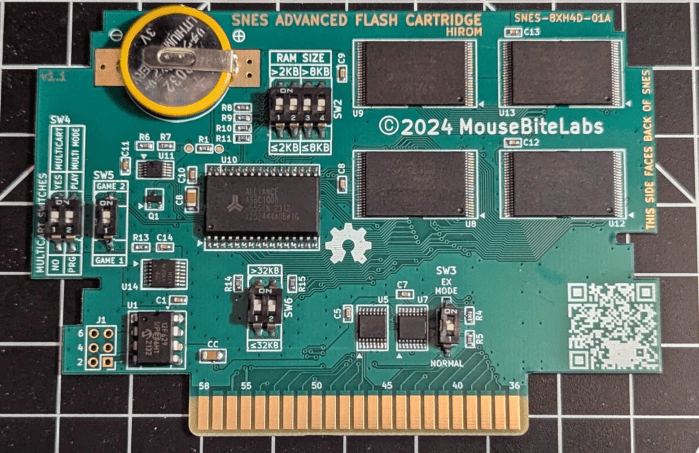
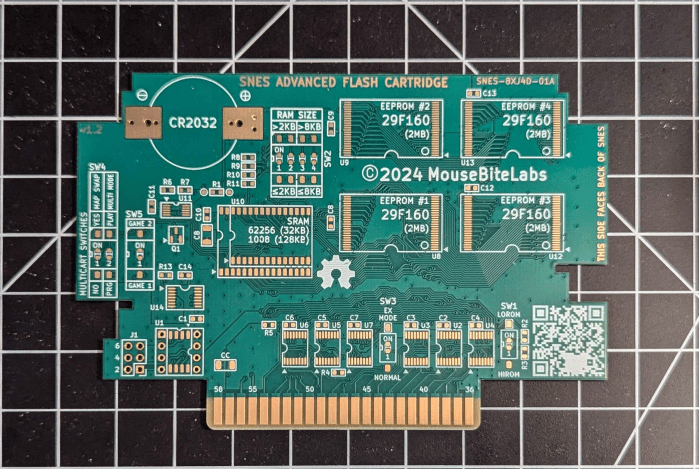
01/20/2025: I spent most of 2024 taking things slowly, hence the lack of updates since 2023. The main new thing that I’ve created are flashable Super Nintendo cartridge boards! These are flashable without having to desolder any parts via the Open Source Cartridge Reader, or OSCR by sanni. And Alex at insideGadgets has begun selling assembled versions, and even has their own flasher for the boards. Alex has begun selling a lot of my boards actually, so I’m very honored to have his approval!
The versions available are a LoROM, HiROM, and a switchable HiROM/LoROM variant. These boards are capable of holding one game up to 8 MB large (ExHiROM/ExLoROM), or two up to 4 MB each as a multicart. With the HiROM/LoROM version, you can even load one HiROM and one LoROM game onto the same multicart! That’s a brand new feature I never had before. I’m very proud of this design, so please check it out.
As for 2025, I already have a bunch of new versions of my Game Boy carts on the way that will use modern 29F160 chips that are brand new parts. No more worrying about the old AliExpress chips. And I’m going to be releasing all of my designs open source, but on the way I’m cleaning up the schematics and documentation, so it’s a slow burn. Please keep an eye on my GitHub for more info as it comes available! I’m slow to update the website, obviously. So you’ll get more updates by checking that, or joining the discord server.
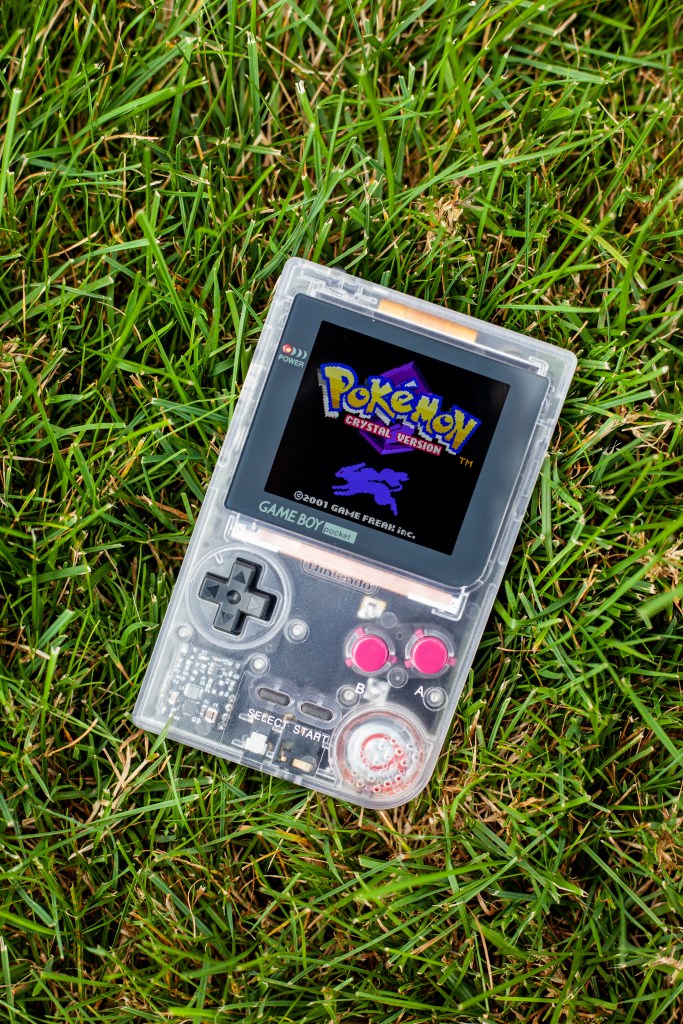
12/05/2023: Over the past year since finishing the DMGC, I’ve finished the smaller follow-up: the MGBC, a Game Boy Color inside a Game Boy Pocket shell! It has features similar to the DMGC, but smaller. A lot of people seem to prefer the Pocket aesthetic, and it’s definitely growing on me.
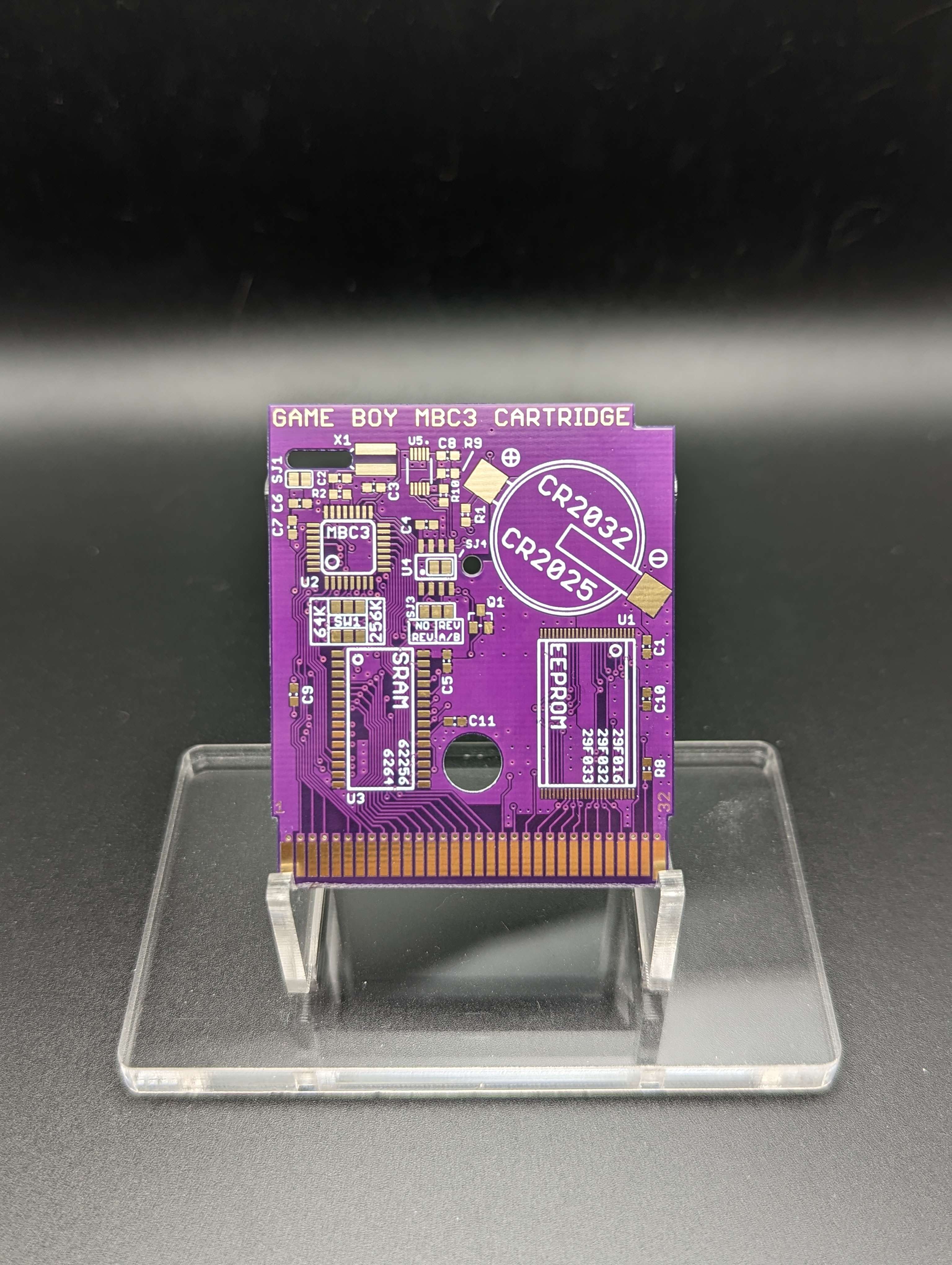
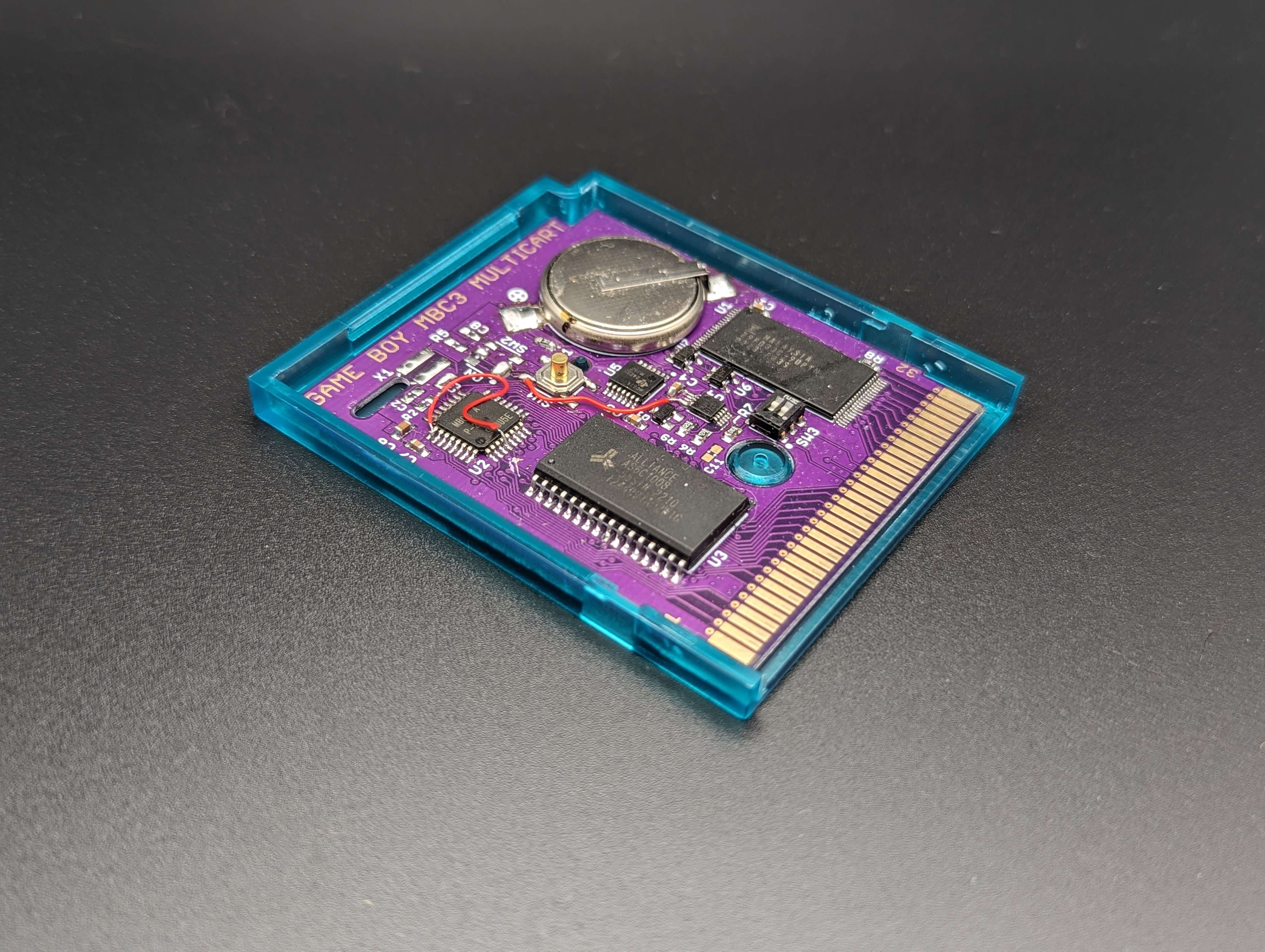
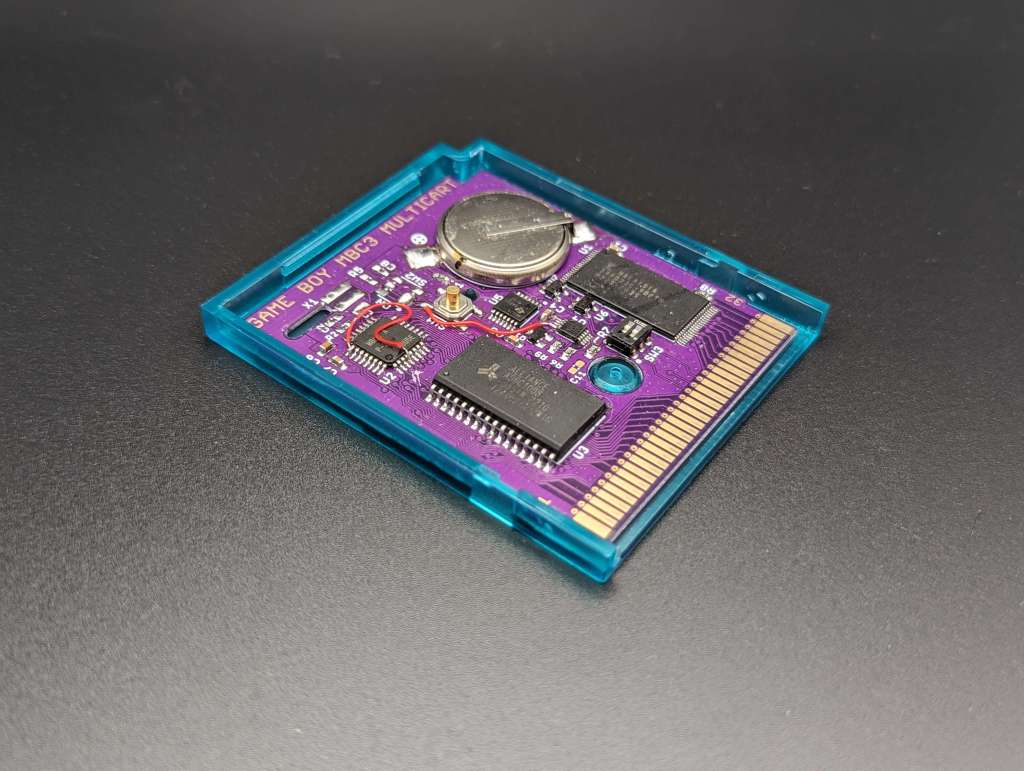
Also, I’ve finished a long-promised project: new Game Boy Cartridge boards. I’ve made five – one for each the MBC1, MBC3, and MBC5 mappers, and I’m in the process of finishing up an MBC3 multicart and MBC5 multicart. Check them out!


Nintendo Entertainment System
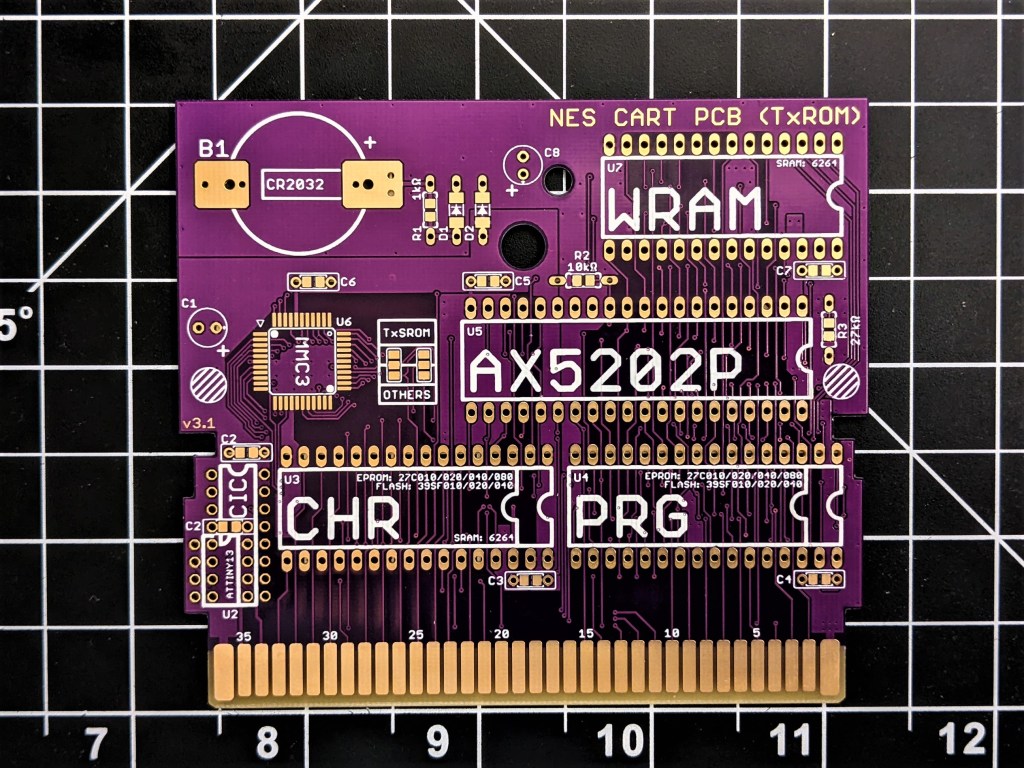
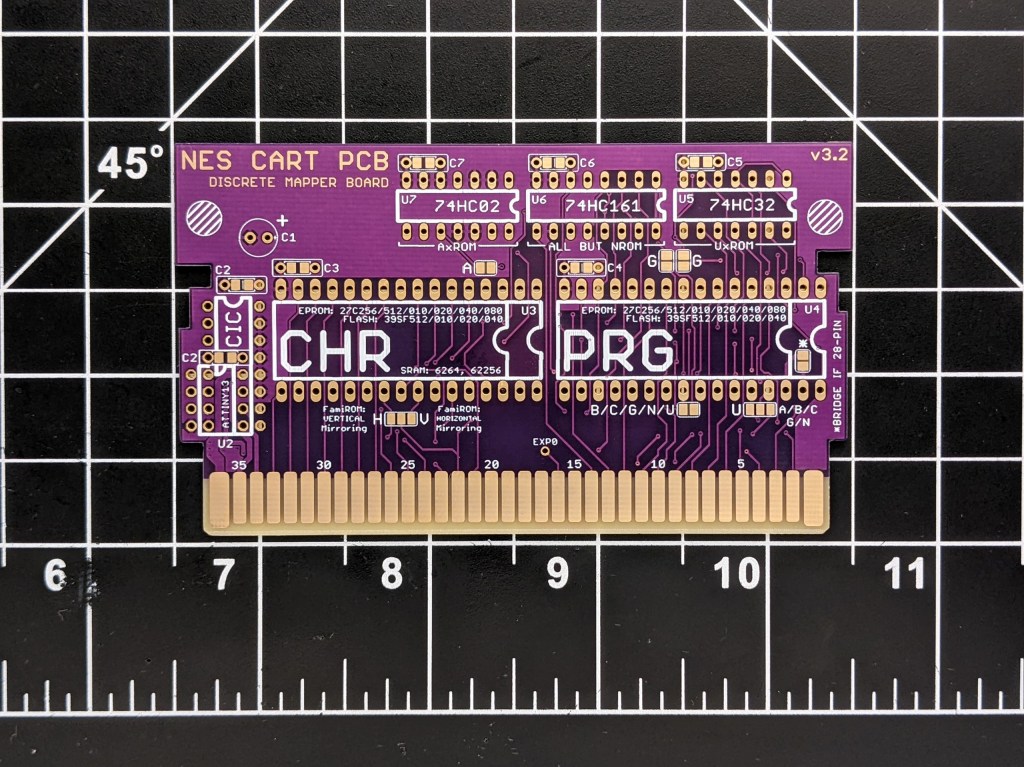
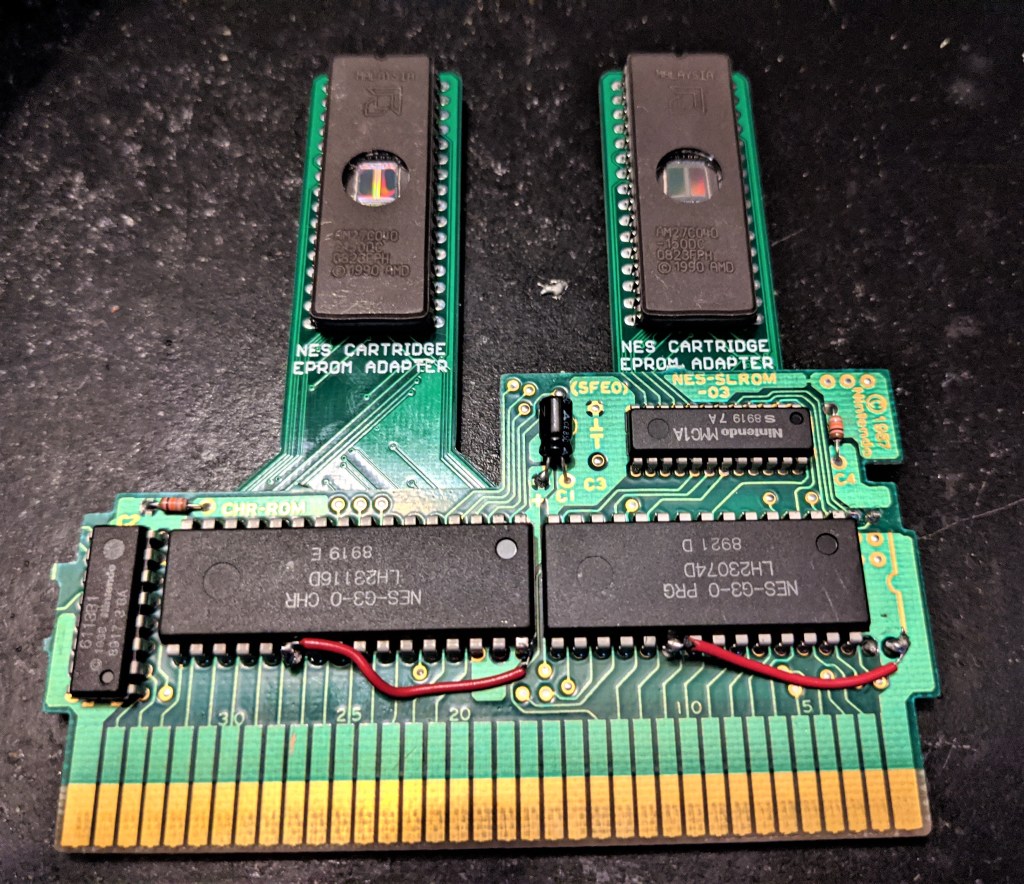
I grew up playing my dad’s old NES back in the early 90’s. Since getting older, I’ve designed a handful of PCBs for NES games that covers a good portion of the most popular games available for the system: a board that covers the simpler games that use digital logic chips, boards for the more advanced MMC1 and MMC3 mappers, an NES Maker compatible Mapper 30 board, and adapter boards for donor cartridges to make using replacement ROM chips a lot easier.

Super Nintendo Entertainment System
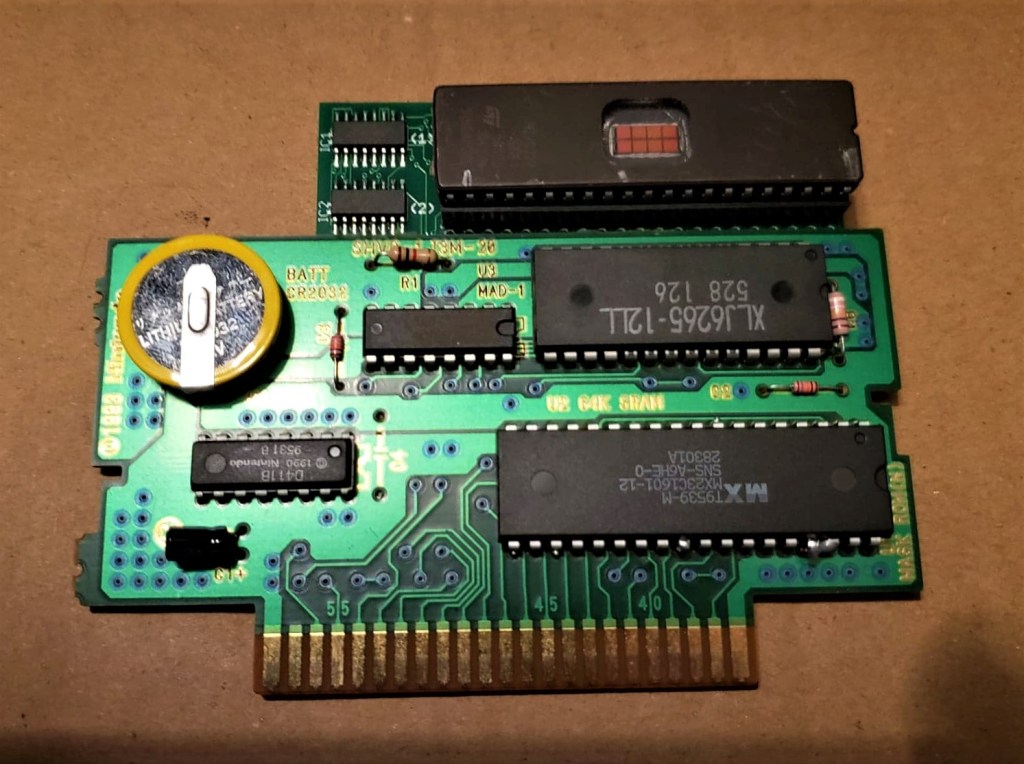
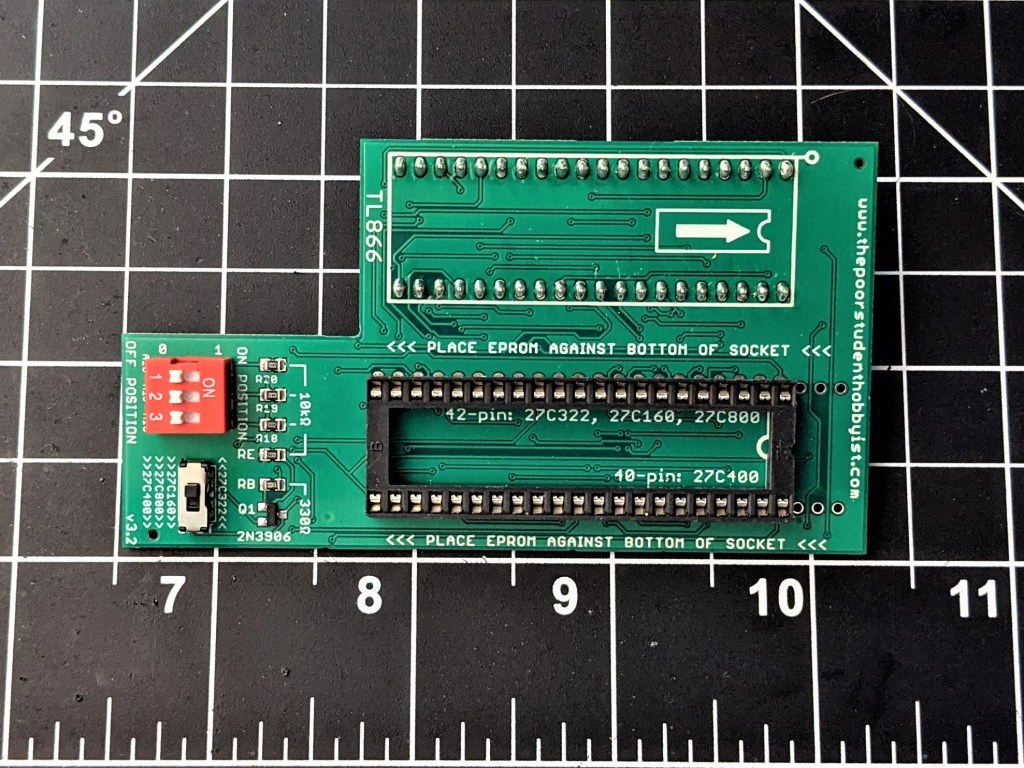
I actually never had a SNES growing up – I only really grew to love the system after buying one in college. This is kind of the console I’ve spent the most time on developing projects for. You’ll find a handful of donor cart adapters, programming adapters for ROM chips commonly used in making SNES games, as well as two main cartridge PCBs that can be used for (probably) more than 95% of the SNES library of games – the Basic board for simpler games, and the Advanced board for larger games and multicarts. I also recently added flashable cartridges without using bulky and old UV EPROM parts!



Sega Genesis/Mega Drive
The Genesis was the first console I ever actually owned myself. It was a hand-me-down from my cousins, and this is the console I probably played the most growing up. Luckily for adult Nick, Genesis game PCBs are quite a lot simpler than Nintendo games, and so my single Genesis design can be used for more than 99% of Genesis games!

Game Boy
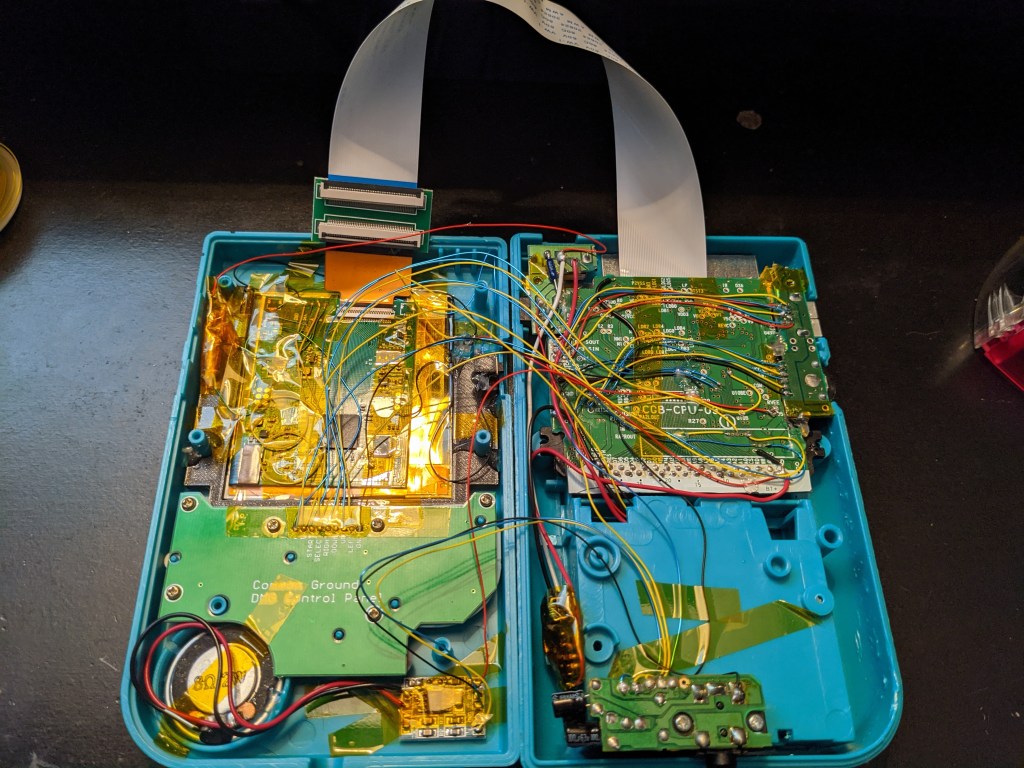
Other than the Genesis, my other childhood console was my trusty Game Boy Color. So far I’ve made my own PCBs for a Game Boy Color inside of a DMG shell, Game Boy Color inside of a Game Boy Pocket shell, and five different Game Boy cartridges!





My Equipment
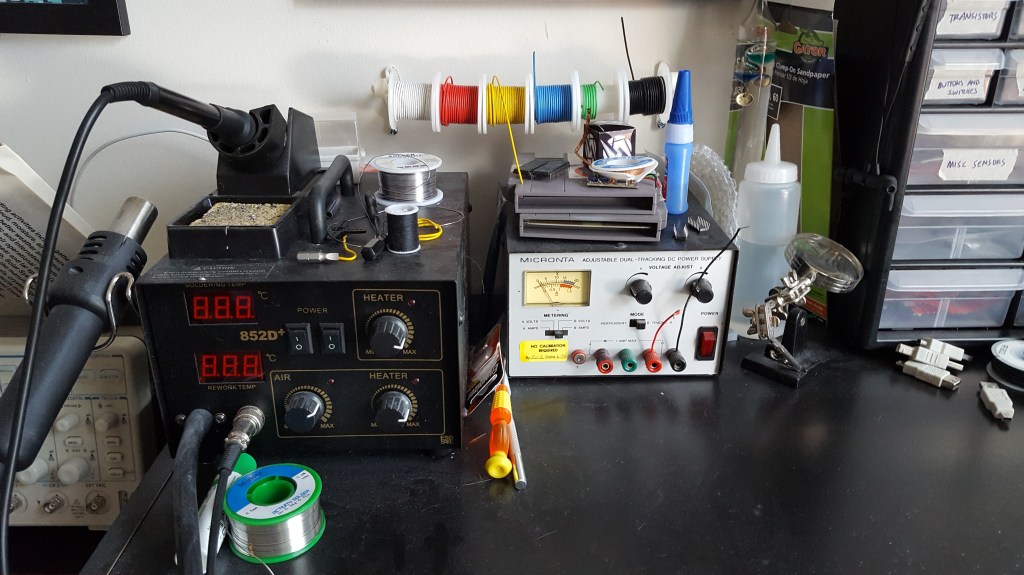
Over the years I’ve accumulated a handful of tools and equipment to round out my bench. Here’s a list of items that I use on a regular basis.


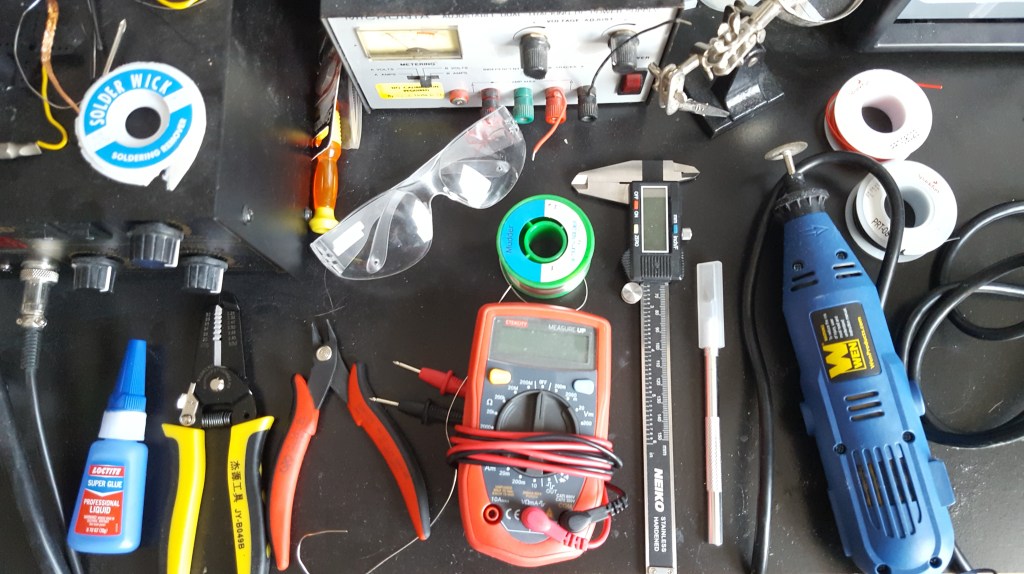
- Safety glasses
- Soldering/hot air station: 852D+
- Fume extractor
- Solder (leaded and non-leaded)
- Low-melt solder (Chipquik)
- Solder paste
- Copper sponge
- Flux (Amtech brand)
- Copper braid
- Wire (teflon 28 gauge, kynar 30 gauge)
- Flush cutters and wire strippers
- ESD tweezers
- Helping hands
- Power supply
- Multimeter
- Oscilloscope
- Calipers
- 3D printer: Prusa Mini+
- Dremel, box cutter, X-ACTO blade
Special Thanks
This website, and my projects, would not have been able to get to the point they are today without the great help of many people across various communities I’ve been a part of. In no particular order, here’s a special thank you to those who have truly been a great help to me, whether through direct interaction or indirectly through resources they compiled or otherwise provided:
- Many users on the NesDev forums/wiki
- mrTentacle
- Muramasa Entertainment
- Infinite NES Lives
- nocash
- krikzz
- Kevtris
- Gekkio
- John Riggs
- Voultar
- Andy West
- MuzYoshi
- Mattia Martelli
 Mouse Bite Labs